

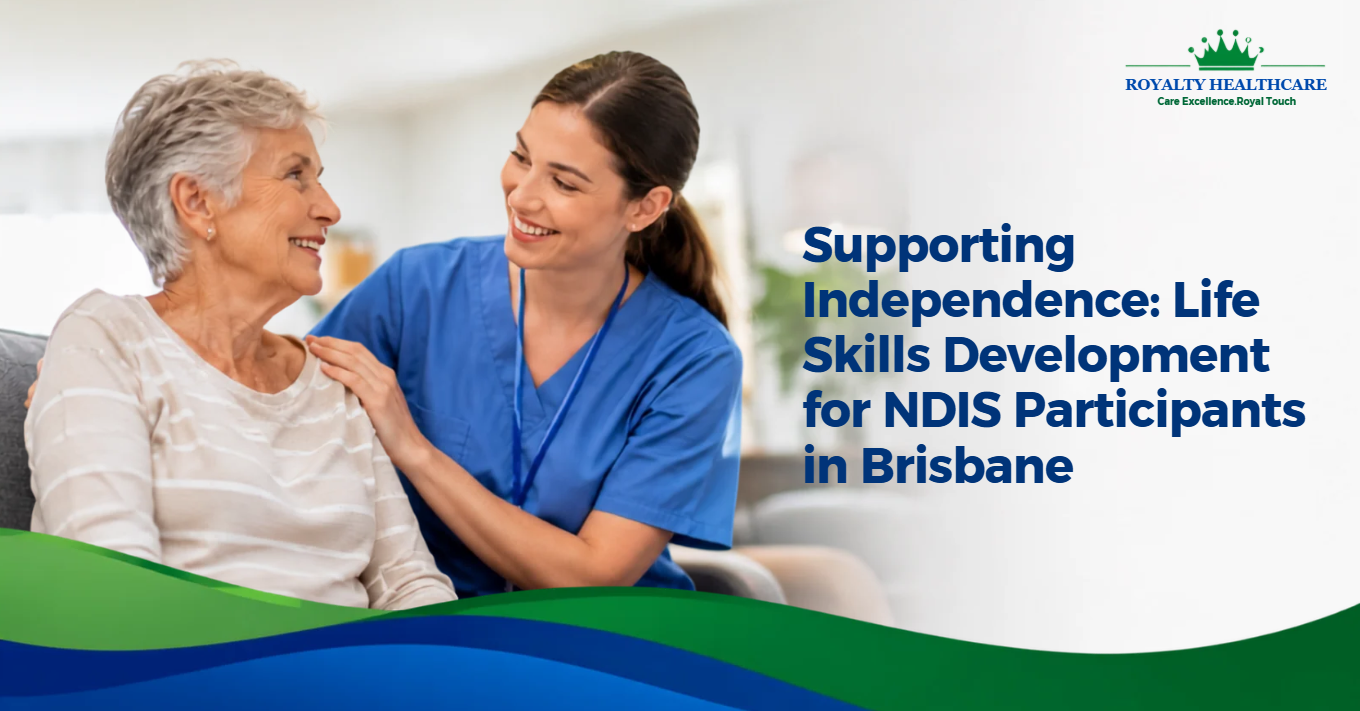
Developing life skills is essential for NDIS participants to achieve independence, confidence, and meaningful engagement in everyday life. Life skills encompass the abilities needed to manage daily living, make informed decisions, communicate effectively, and participate in social, community, and vocational activities. For many participants, these skills are critical in promoting autonomy and enhancing quality of life.
In Brisbane, NDIS participants often require structured support to acquire, practice, and maintain life skills. This support is delivered by experienced providers who tailor programs to the individual needs, goals, and abilities of each participant. Life skills development is not only about learning practical tasks but also about fostering confidence, problem-solving abilities, and self-determination.
Participants who receive structured life skills support are better equipped to navigate daily routines, participate in their communities, and engage in meaningful social and work-related activities. Families and carers also benefit from professional guidance, ensuring consistent reinforcement of skills and providing reassurance that participants are developing in a safe, supportive environment.
Why Life Skills Support is Critical
Life skills development plays a crucial role in helping participants gain independence and improve their quality of life. These skills enable individuals to manage personal care, maintain their environment, interact socially, and make informed decisions about health, finances, and lifestyle.
The goal of life skills support is to empower participants to live as independently as possible while building confidence and competence. Skilled support providers focus on individualised programs that address each participant’s strengths, preferences, and areas for growth.
Participants benefit from guidance in essential areas such as personal hygiene, cooking, household management, money management, and communication. Structured support also fosters confidence in navigating community spaces, accessing transport, and participating in social or recreational activities.
Through these programs, participants can achieve greater independence, improve their social participation, and build practical abilities that support long-term wellbeing.
Core Life Skills Support Services
Participants accessing NDIS Life Skills Supports Brisbane can benefit from a range of structured programs, including:
- Personal Care and Hygiene Support
Assisting participants in developing routines for bathing, grooming, and self-care. - Meal Preparation and Cooking
Guidance on planning, preparing, and cooking nutritious meals independently. - Household Management Skills
Training in cleaning, laundry, organisation, and home safety practices. - Money Management
Support with budgeting, paying bills, and managing personal finances. - Time Management and Organisation
Developing routines, scheduling tasks, and prioritising responsibilities. - Travelling Independently
Guidance on using public transport, navigating routes, and maintaining safety in the community. - Communication and Social Skills
Enhancing interpersonal skills, confidence in social interactions, and problem-solving abilities. - Making Healthy Lifestyle Choices
Support in adopting habits related to diet, exercise, and mental wellbeing.
These services are tailored to each participant’s abilities and goals, ensuring a person-centred approach that maximises engagement and independence.
How Royalty Healthcare Supports Life Skills Development
Royalty Healthcare provides comprehensive Life Skill Development Brisbane programs that are tailored to the individual needs of NDIS participants. Their approach focuses on personalised planning, structured support, and skill-building opportunities that empower participants to achieve greater independence.
Services offered include:
- Individualised support plans that target specific life skills goals
- Guidance in personal care, household management, and community participation
- Assistance in developing social, communication, and problem-solving abilities
- Structured programs for independent travel, financial management, and healthy lifestyle choices
- Regular monitoring and adaptation of plans to track progress and maintain engagement
Through these structured programs, participants are encouraged to practice new skills in real-life contexts, fostering confidence, independence, and personal growth. Families and carers benefit from consistent, professional guidance that supports the reinforcement of these skills at home and in the community.
Benefits of Life Skills Support
Engaging professional providers for Life Skill Development provides multiple advantages:
- Enhanced Independence
Participants gain practical abilities to manage daily living tasks without constant assistance. - Improved Confidence
Structured support and skill-building empower participants to navigate personal, social, and community situations. - Safety and Wellbeing
Professional guidance ensures participants develop skills in safe and supportive environments. - Social Inclusion
Participation in community activities and improved communication fosters social connections. - Skill Maintenance
Ongoing practice and reinforcement help participants retain and apply learned skills effectively. - Family and Carer Support
Provides guidance to caregivers in supporting participant independence and skill development. - These benefits demonstrate why structured life skills programs are essential for NDIS participants seeking independence, confidence, and engagement.
Planning Effective Life Skills Programs
To ensure participants achieve meaningful outcomes, life skills support should focus on:
- Comprehensive Assessment
Evaluating current abilities, support needs, and goals to develop personalised programs. - Individualised Planning
Tailoring activities to participant interests, strengths, and developmental areas. - Skilled Support Staff
Ensuring staff are trained to deliver person-centred guidance in practical and social skills. - Real-Life Application
Opportunities to practice skills in daily routines, community settings, and social contexts. - Ongoing Monitoring and Feedback
Regular evaluation and adaptation of support plans to ensure progress and engagement.
By following these principles, providers can deliver effective, participant-centred programs that enhance independence, confidence, and quality of life.
Common Challenges in Life Skills Development
While the benefits are clear, delivering life skills support can present challenges such as:
- Supporting participants with diverse abilities and varying learning needs
- Ensuring consistency across home, community, and program settings
- Coordinating staff, schedules, and community access for practical skill practice
- Tracking progress and adjusting plans to maintain engagement and effectiveness
- Balancing participant independence with safety and risk management
Professional providers like Royalty Healthcare overcome these challenges with structured programs, skilled staff, and evidence-based practices tailored to participant goals.
Conclusion
Life skills development is vital for NDIS participants, helping them gain independence, confidence, and engagement in their communities. Professional programs provide structured, personalised support in practical, social, and personal care skills, enabling participants to live meaningful, autonomous lives.
Partnering with Royalty Healthcare ensures participants have access to expert NDIS Community Participation Supports Brisbane, personalised guidance, and structured skill-building opportunities. By investing in professional life skills support, participants can achieve their goals, families gain peace of mind, and meaningful independence is fostered across daily life, social engagement, and community participation.