


When Australian homeowners think about renovation ROI, kitchens and bathrooms dominate the conversation. But there is a third upgrade that consistently delivers strong returns and gets far less attention: the staircase.
A well-designed staircase is the first architectural feature a buyer sees when they walk into a two-storey home. It sets the tone for everything that follows. Yet most homes still carry the same builder-grade MDF stair with a basic timber handrail that was installed at construction. Replacing it is not just cosmetic. It signals quality throughout the property.
What Does a Staircase Renovation Actually Cost in Australia?
According to WA staircase cost data from The Quote Yard, supply-and-install pricing in 2026 ranges broadly depending on the scope:
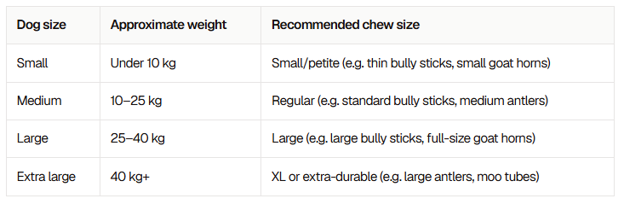
The key insight: a balustrade upgrade alone, without touching the structural stair, is often the highest-ROI renovation in this category. Swapping builder-grade timber balusters for a custom glass balustrade costs a fraction of a full rebuild, but delivers a visual transformation that photographs well and reads as premium to buyers.
Three Ways a Staircase Upgrade Adds Measurable Value
1. It changes the perceived quality tier of the whole home.
Real estate agents consistently report that entry-level finishes, including dated staircases, drag down buyer perception even when the rest of the home is well presented. A feature staircase signals that the owner has invested in the property, which shifts price expectations upward.
2. It opens up floor space and light.
Replacing a closed-riser timber stair with an open-riser design, or adding glass to an existing stair, dramatically improves natural light flow between floors. In Perth’s bright climate, this is particularly effective, and buyers notice it immediately. Glass is a strong option where the goal is a more open, premium feel, but it is not the only one. Custom balustrades in steel, timber or a mix of materials can be designed to suit the style of the home rather than forcing a one-size-fits-all product.
3. It resolves compliance concerns before they become negotiation points.
Older balustrades often fail current NCC height and gap requirements. An out-of-compliance balustrade gives buyers a legitimate reason to negotiate downward. Upgrading before listing removes that lever entirely.
What to Look for in a Staircase Supplier
Not all staircase companies work the same way. The key questions to ask:
- Do they manufacture in-house or outsource fabrication?
- What is the typical lead time from measure to installation?
- Can they show completed projects in comparable homes?
In-house manufacturing typically means faster turnaround and tighter quality control. Some Perth-based specialists, for example, operate on a 10-day production timeline, which matters when you are renovating ahead of a sale campaign.
The Bottom Line
A staircase renovation is not a luxury upgrade. In a two-storey home heading to market, it is one of the few improvements that affects buyer perception from the moment someone walks through the door. The investment range is wide, but even a targeted balustrade upgrade in the 3,000–7,000 range can shift how a property presents and, by extension, how it prices.
For homeowners planning a higher-value renovation, working with experienced custom staircase builders helps ensure the design suits both the home and the sale strategy.