


Kitchen cupboards often contain more usable space than they appear to. The challenge is that items at the back become difficult to reach, while fixed shelves do not always suit waste storage.
A cupboard bin can move rubbish away from the floor and use cabinet space that may otherwise remain poorly organised.
Start With a Cabinet Audit
Do not immediately choose the cupboard closest to the sink.
Open several cabinets and compare how each one is used.
Ask:
- Is the cupboard already full of important cookware?
- Is it close to food preparation?
- Does the door open freely?
- Is there enough internal depth?
- Will the bin block another appliance?
The best position balances convenience and storage value.
Why Pull-Out Access Helps
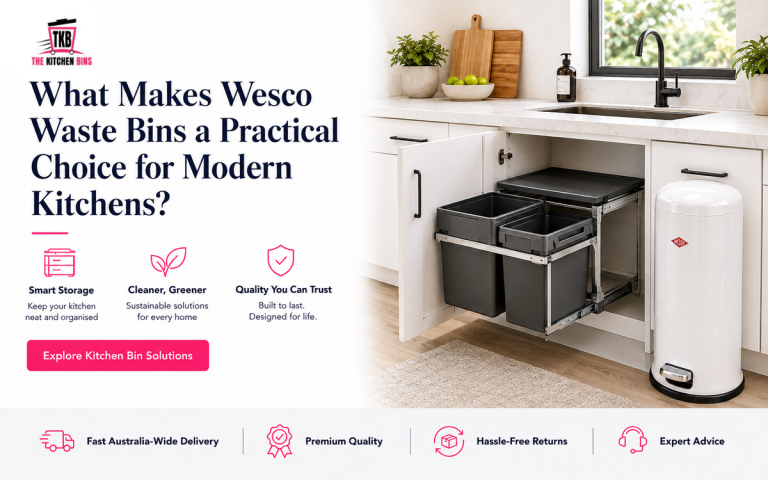
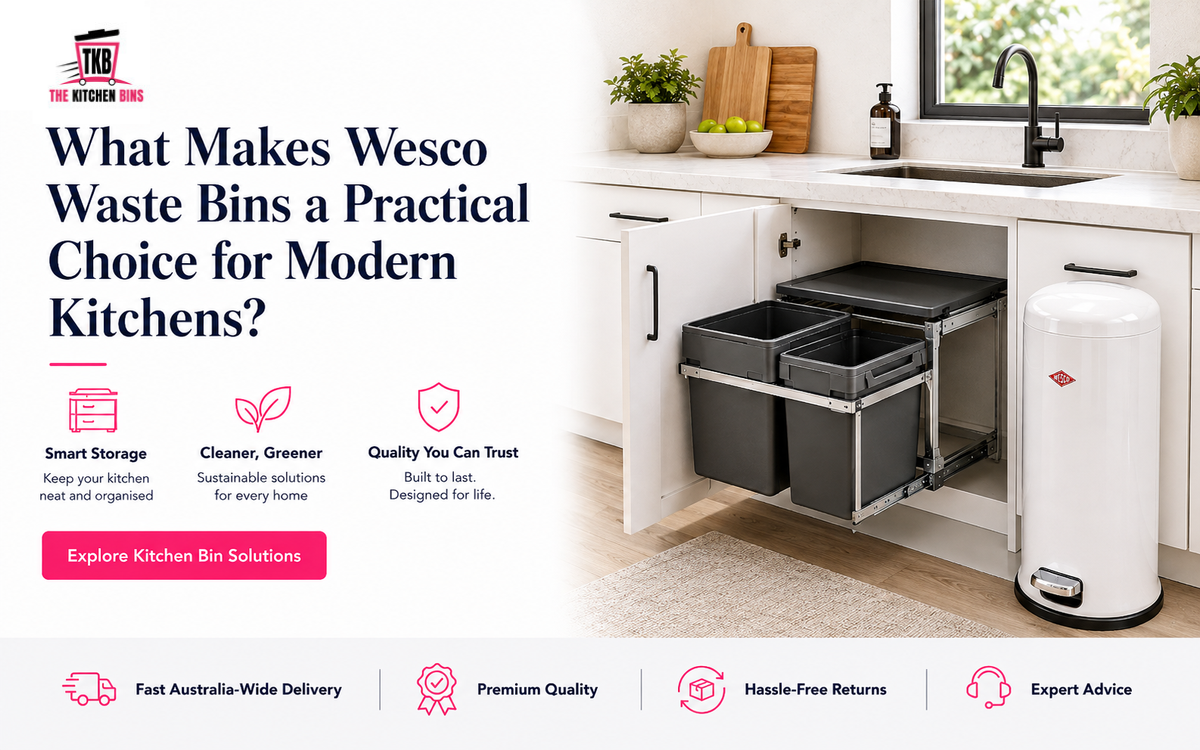
A pull out kitchen bin brings waste containers out of the cupboard rather than making the user reach inward.
Better Access to the Back of the Cabinet
Traditional bins placed on the cupboard floor can become awkward, especially when other products sit in front of them.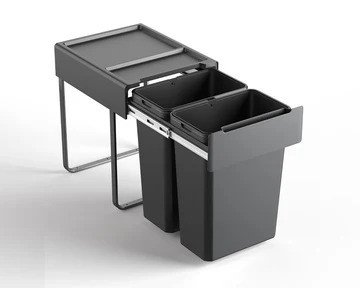
A sliding mechanism gives more predictable access.
Consider Everyday Movement
Think through the full process:
- Open or pull the cabinet.
- Dispose of waste.
- Remove the liner.
- Lift out the bucket.
- Clean the container.
- Return everything to position.
A system that supports all six steps comfortably is more useful than one that merely looks tidy.
Under-Sink Space Requires Different Planning
The cabinet beneath the sink has one major complication: plumbing.
An under sink pull out bin must move without contacting pipes.
Make a Simple Plumbing Map
Measure the position of:
- Sink bowl
- Waste pipe
- Trap
- Water connections
- Filters
- Other equipment
This gives you the true available volume.
Separate Waste Without Wasting Space
Multiple containers can help manage recycling and general waste.
However, several tiny bins may create unnecessary emptying.
Choose compartment sizes based on what your household produces most frequently.
For example, a family with substantial recycling may need a different split from someone who composts much of their food waste.
Use Door Space Where Appropriate
Some cabinet systems attach waste storage to the door or use the door’s movement.
This can be helpful in narrow cabinets where a full sliding frame is unnecessary.
A cupboard bin should still remain easy to remove and clean.
Check Hinges Carefully
Hinges reduce internal width.
Measure the Narrowest Point
Do not measure only wall-to-wall inside the cabinet. Record the smallest usable opening that the container or frame needs to pass through.
Think About Floor Space You Can Reclaim
Removing a freestanding bin can open an awkward corner or narrow walkway.
This can improve:
- Movement around an island
- Access to lower drawers
- Cleaning
- General visual space
In compact kitchens, that reclaimed area can make a noticeable difference.
Do Not Sacrifice Important Storage Without a Plan
Integrated bins use cabinet volume.
Before installing an under sink pull out bin, decide where any displaced cleaning products or household items will go.
Organisation works best when solving one problem does not create another.
Installation and Alignment
A pull-out system should move smoothly and remain properly aligned.
Follow installation guidance carefully and check that screws, runners and cabinet components are suitable for the selected configuration.
If the cabinetry is complex, professional assistance may be appropriate.
Why Choose Us
Kitchen Bins offers different integrated waste-storage formats for households wanting to improve access and recover floor area. Customers can compare door-mounted, pull-out and other cabinet-based options according to the dimensions of their own kitchen.
A good fit should support both capacity and everyday usability.
About Us
Kitchen Bins focuses specifically on waste-storage solutions for kitchens. Our range is designed around the fact that cabinet layouts, household size and rubbish-sorting habits differ.
We encourage customers to measure internal cabinetry carefully before selecting integrated products.
Conclusion
Making better use of cupboard space is not simply about fitting something into every available gap.
A cupboard bin can reclaim floor area, while an under sink pull out bin can turn an awkward sink cabinet into useful waste storage. Measure around plumbing, preserve cleaning access and choose a pull out kitchen bin that fits the way your household actually works.